Hurricane Readiness Starts at the Roof: Protecting Retail Assets from the Top Down
Cornerstone Realty Management · March 23, 2026
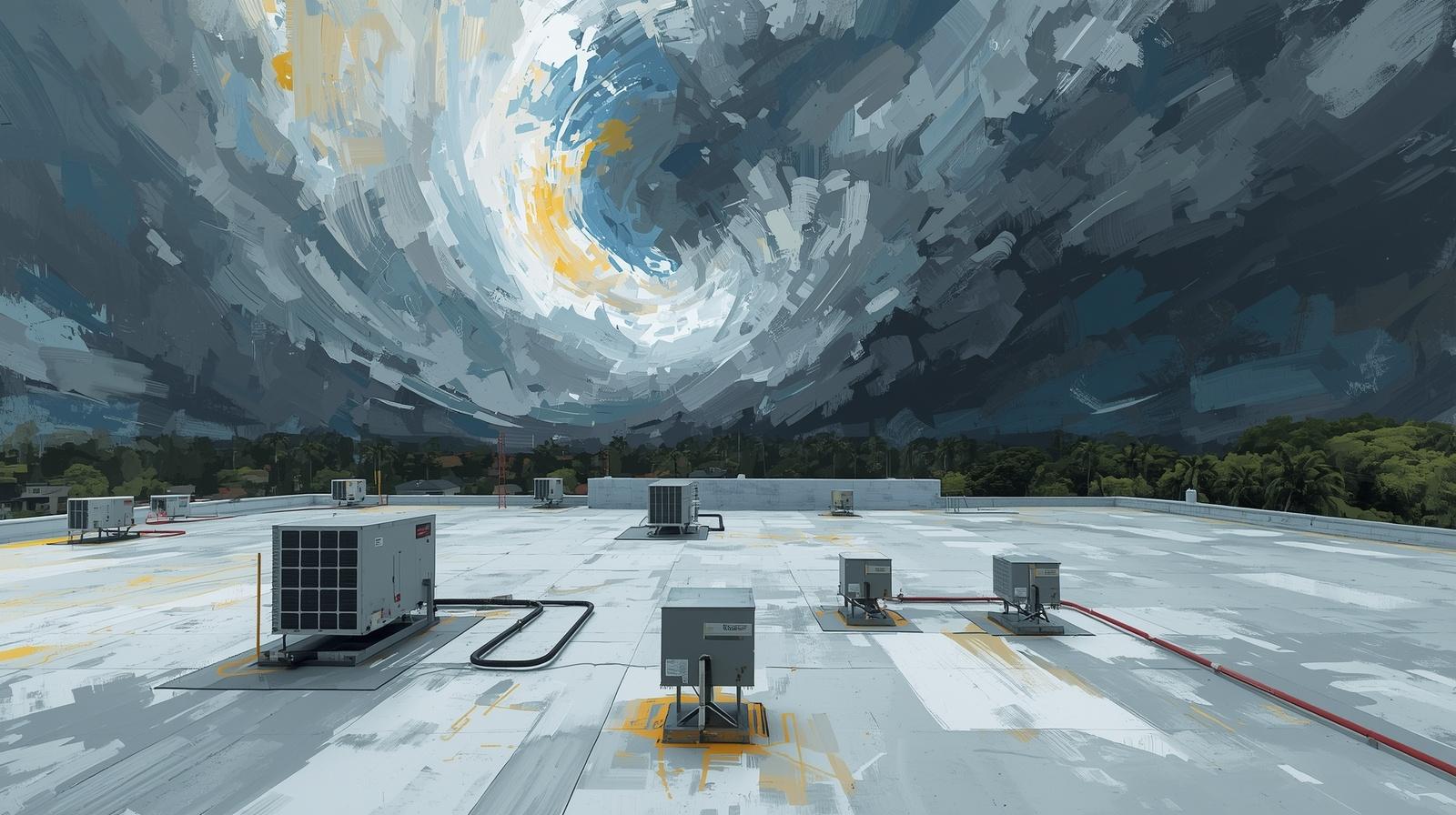
Preparing a retail property for hurricane season starts at the top—literally. The roof is the first line of defense against extreme weather, and in many ways, it is the “head” of the building. If the roof fails, everything beneath it is exposed. Whether the roofing system is brand new or decades old, it should always be treated with the same level of diligence and preventative care.
One of the most common causes of roof damage during hurricanes is not the storm itself, but what the storm picks up and throws across the surface. Vegetation, particularly low-hanging tree branches, should be trimmed back well in advance of the season. Loose debris can quickly become projectiles in high winds, damaging membranes, flashing, and rooftop equipment. Routine site walks should include a specific focus on identifying and removing these risks.
Equally critical are rooftop mechanical systems. HVAC units are a frequent point of failure if not properly secured. All units must be anchored with appropriate hurricane-rated straps, and tenants should be reminded that their vendors are responsible for inspecting these systems before the season begins. This includes ensuring all access panels, fasteners, and housings are tightly secured. A single loose panel can detach in high winds and cause significant damage—not only to the roof, but potentially to adjacent properties.
Although most retail tenants are responsible for maintaining their HVAC systems, it is extremely crucial that the property management team conducts its own visual inspections of all rooftop equipment. Management should not assume compliance. If any deficiencies are observed—such as unsecured panels, missing fasteners, or inadequate strapping—the team should either correct the issue if within their scope or immediately notify the tenant to address it. This added layer of oversight is a key risk mitigation measure.
Drainage is another area that cannot be overlooked. Gutters, downspouts, and roof drains must be cleaned and cleared regularly. During a hurricane, the volume of water is substantial, and any blockage can lead to ponding, added structural stress, and eventual water intrusion. Preventative maintenance here is simple but essential.
Engaging a qualified roofing contractor for a comprehensive inspection is a best practice every season. They can identify vulnerabilities that may not be visible during routine checks—such as membrane fatigue, seam integrity issues, or compromised flashing. Inspections should be conducted before the hurricane season begins, after it ends, and critically, both before and after any major storm event. This documentation is also invaluable for insurance purposes.
Finally, consistency is what separates reactive management from professional asset protection. Establish a standardized checklist, communicate expectations clearly with your engineering teams and vendors, and refine the process each year based on lessons learned. Hurricane preparedness is not a one-time task—it is an operational discipline.
Take care of the roof, and you significantly increase the resilience of the entire asset.