Establishing a Strong Property Management Relationship with a New Retail Tenant
Cornerstone Realty Management · April 23, 2026
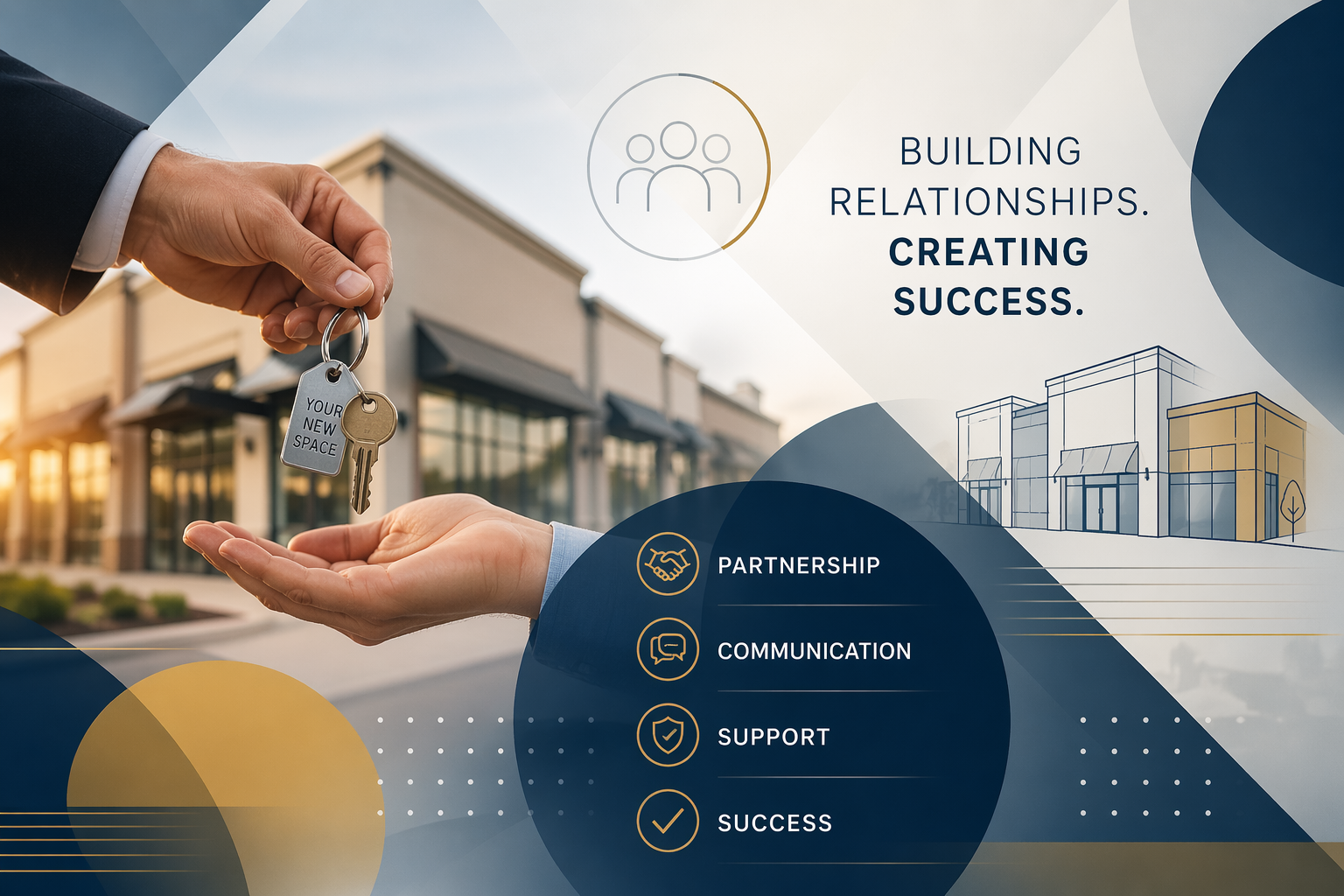
After a long negotiation process, the lease is signed and agreed upon. At that point, the transaction ends and the relationship begin. From here forward, property management becomes the tenant’s primary point of contact, responsible for both the daily operations of the property and the overall tenant experience.
This transition is critical. The way property management delivers the space and introduces the working relationship sets the tone for the entire tenancy. A structured, professional approach creates clarity, builds trust, and minimizes future issues, while a disorganized handoff can lead to confusion and frustration from the outset.
The first interaction—typically when the keys are delivered - should be handled with intention. Before releasing any keys, possession should be formalized through a key acknowledgment form that documents the date of delivery, the keys and access provided, and confirmation of receipt. This step is essential, as the possession date can trigger key lease provisions such as rent commencement and other tenant obligations.
Alongside this, a well-prepared welcome package should be provided. This package serves as a practical guide for the tenant and should be clear, concise, and easy to navigate. It should include essential information such as who to contact for property management, accounting, and leasing matters, as well as clear instructions on rent payments, utility setup, and maintenance requests. Providing this level of clarity early helps eliminate common misunderstandings and sets expectations from day one.
It is equally important to establish operational standards within the property. Clear communication around building rules, waste procedures, and shared space expectations ensures consistency across the center and helps protect the overall quality of the asset. Reinforcing key lease items—such as insurance requirements and important dates—in a simplified format also gives the tenant a practical reference point without overwhelming them.
Supporting the tenant through the move-in process further strengthens the relationship. Providing guidance on deliveries, contractor access, and work hours demonstrates a proactive management approach and helps the tenant open and operate more efficiently. In addition, clear emergency procedures and contact information should always be communicated so the tenant knows how to respond in urgent situations.
While it is important to provide information, it is just as important not to overload the tenant. The goal is to deliver relevant, organized information in a way that is easy to understand and apply. A thoughtful and structured onboarding process signals professionalism and reinforces that the property is well-managed.
Ultimately, the lease defines the legal relationship, but property management defines the working relationship. By approaching the initial handoff with clarity, structure, and intention, property management sets the foundation for a strong, productive partnership. When tenants feel supported and informed from the beginning, they are far more likely to succeed—and that success directly contributes to the performance of the property.